
This is the version your relocation brochure leaves out. Denver is a genuinely great place to live, which is exactly why it is worth being honest about the adjustments nobody warns you about. Here is the candid take on the altitude, the weather, the traffic, and the things people wish they had known before the moving truck arrived.
Search “moving to Denver” and you will find two kinds of content: glossy promotional pieces that make it sound like paradise, and forum threads where recent transplants vent about the things that surprised them. The truth sits in the middle, and you deserve the honest version before you commit to a cross-country move. So here it is, the real talk about relocating to Denver, from someone who helps people do it.
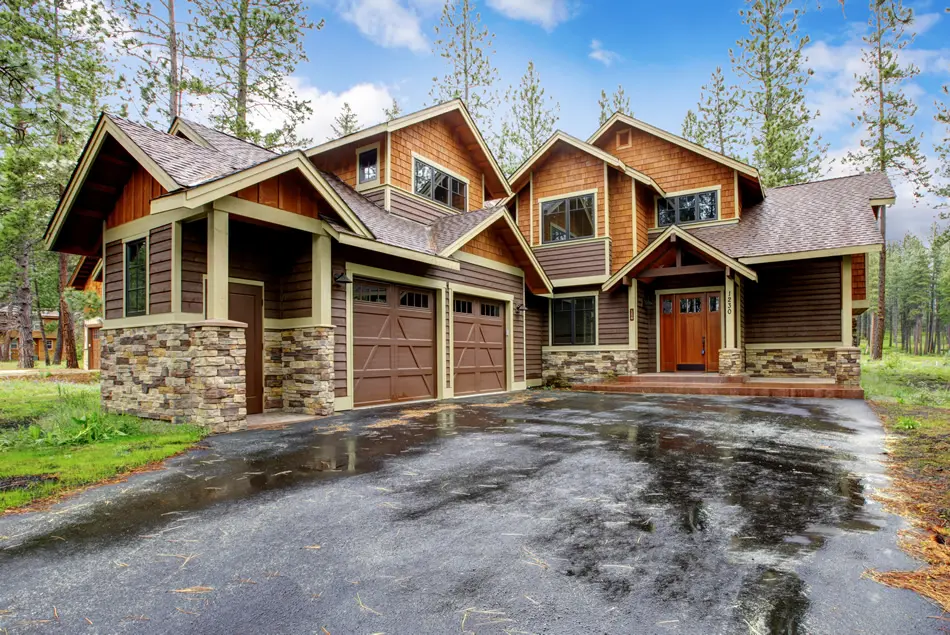
The Altitude Is Real, and It Takes a Minute
Denver sits at exactly 5,280 feet, one mile above sea level, which is where the “Mile High City” name comes from. For most people the adjustment is mild and temporary, but it is real. In your first week or two you may notice you tire more easily, feel a little short of breath on stairs, and get dehydrated faster than you are used to. Alcohol also hits noticeably harder at altitude, which catches a lot of newcomers off guard.
None of this is cause for alarm. The body adjusts within a couple of weeks for most people. The practical advice is simple: drink far more water than feels necessary in your first month, go easy on strenuous hikes until you have acclimated, and ease into the nightlife. If you have specific health concerns, it is worth a conversation with your doctor before the move, but the vast majority of people adapt without issue.
Newcomer tip: Keep a water bottle on you constantly for the first month. The air here is dry as well as thin, and dehydration is the single most common reason new arrivals feel run down in their first few weeks.
The Weather Is Better Than You Expect, and Stranger Too
Denver gets around 300 days of sunshine a year, which is one of the best-kept secrets about Colorado weather. Even in winter, the sun is usually out. Average high temperatures run in the mid-60s with lows in the mid-30s across the year, and the climate is dry rather than humid, which makes both heat and cold more comfortable than the raw numbers suggest.
That said, the weather here is genuinely unpredictable, and that is the part that surprises people. Snow can fall heavily and then melt within a day or two because the sun is so strong. You can get a 70-degree afternoon in January and a snow squall in May. Locals learn to dress in layers and to never trust a forecast more than about two days out. The upside is that snow rarely lingers the way it does in the Midwest or Northeast, so winters feel far more manageable than the snowfall totals imply.
| Denver Climate Reality | What to Expect |
|---|---|
| Sunshine | Around 300 days a year, even in winter |
| Humidity | Low and dry year-round |
| Snow | Falls heavy, melts fast thanks to strong sun |
| Predictability | Low; layers and a 2-day forecast horizon help |
Traffic and Getting Around
Denver’s growth over the past decade has outpaced its road infrastructure in places, and traffic is the complaint you will hear most from established residents. The main interstates can back up significantly at rush hour, and the drive to the mountains on weekend mornings, especially on the I-70 corridor toward the ski areas, is legendary for its congestion. If your dream is spontaneous Saturday ski trips, know that everyone else has the same dream and the same highway.
Within the metro, where you choose to live has a big effect on your daily quality of life, because commute times vary widely depending on which part of the area you are in and where you need to be. This is one of the reasons matching your neighborhood to your actual commute matters so much, a theme that runs through all of my relocation advice. The light rail system covers some corridors well and others not at all, so whether transit is a realistic option depends heavily on your specific route.
Worth knowing: Pick your neighborhood around your commute, not just the house. A home that looks like a great deal can come with a daily drive that quietly erodes your quality of life. Fifteen minutes in the right direction often matters more than the listing price.
The Outdoor Lifestyle Lives Up to the Hype
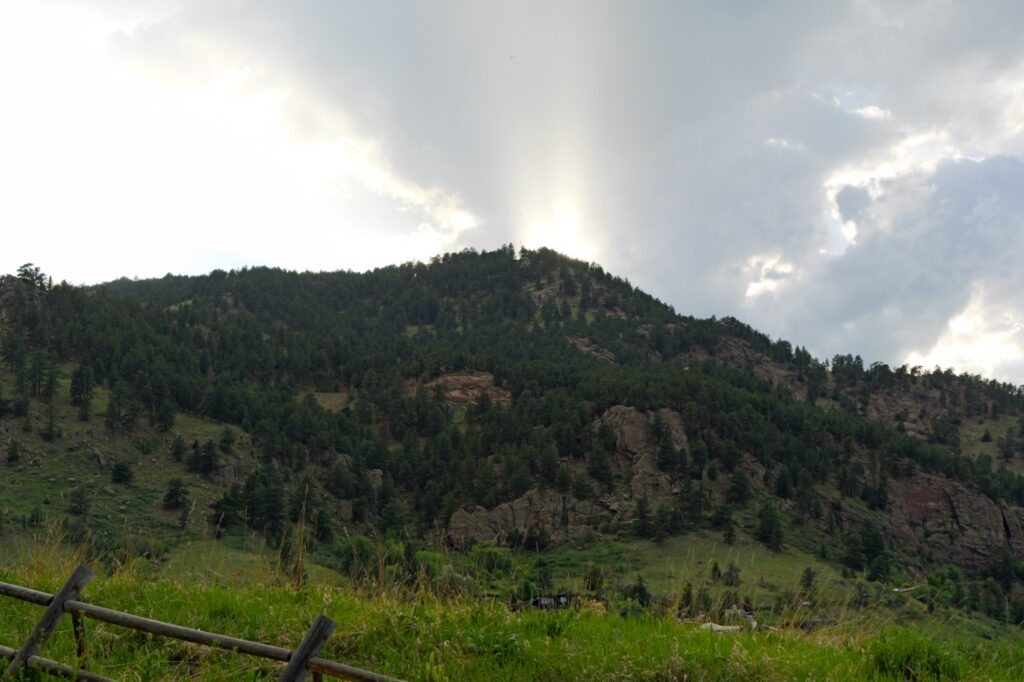
This is the part that is not overstated. The access to the outdoors is the real reason most people move here and stay. The mountains are genuinely close, the trail networks are extensive, and the culture is built around being outside. Whether you are into skiing, hiking, climbing, cycling, or just walking your dog somewhere beautiful, Denver delivers on this promise in a way few cities can match.
The honest footnote is that “close to the mountains” still means a drive, and a popular trailhead on a Saturday can feel like a parking lot. The outdoor access is real and abundant, but the most popular spots are no secret. People who love it here learn the less-crowded alternatives and go at off-peak times. The reward for a little planning is enormous.
The Cost Is the Tradeoff
The thing newcomers most consistently underestimate is the cost of living, housing in particular. Denver is meaningfully more expensive than the national average, and if you are coming from a lower-cost area, the housing prices can be a genuine shock. I cover the full breakdown in the Denver cost-of-living guide, and if you are relocating from California or Texas specifically, the tax math changes the picture in ways worth understanding in moving to Denver from another state.
The reason so many people decide it is worth it anyway comes down to the combination: the sunshine, the outdoor access, the strong job market, and a lifestyle that is hard to replicate elsewhere. Plenty of transplants will tell you the cost was the hardest part to swallow and the thing they complain about least a year later.
Just Arrived? Start Here
If you have already made the move, the fastest way to feel at home is to get oriented to your specific part of the metro rather than treating Denver as one monolithic place. The area is large and genuinely varied, and the neighborhood you landed in has its own rhythm, its own local spots, and its own best ways to get around. Exploring your immediate area first, then branching out, tends to beat trying to “do Denver” all at once.
And if you are still in the planning stage, the single best thing you can do is choose your landing spot deliberately. The difference between a neighborhood that fits your life and one that fights it is the difference between loving the move and second-guessing it.
Thinking About the Move?
I help people relocate to Denver with clear eyes, the honest tradeoffs, the real costs, and the neighborhood that actually fits how you want to live.
Observations reflect general conditions in the Denver metro as of 2026 and are intended as a candid overview for newcomers. Individual experiences vary. Contact DC Turner for guidance specific to your relocation.