
The short version: Denver costs roughly 65 to 70 percent more than the national average to live in, and housing is the single reason why. The good news is that local incomes run well above the national median, which softens the blow. This guide breaks down what you will actually spend, and the income it takes to live here comfortably in 2026.
One of the most common questions people ask before relocating to Denver is some version of “what do I really need to earn to make this work?” It is the right question to ask, and most cost-of-living pages answer it badly by throwing a single index number at you and moving on. So let’s do this properly, category by category, with current 2026 figures and honest context about what they mean for your monthly budget.
A quick note before the numbers: cost-of-living figures vary depending on the source and the month, especially for housing in an active market. Treat everything here as a well-sourced approximation rather than a quote. When you are ready to look at real, current numbers for a specific neighborhood or price point, that is exactly the kind of thing I help relocating buyers with directly.
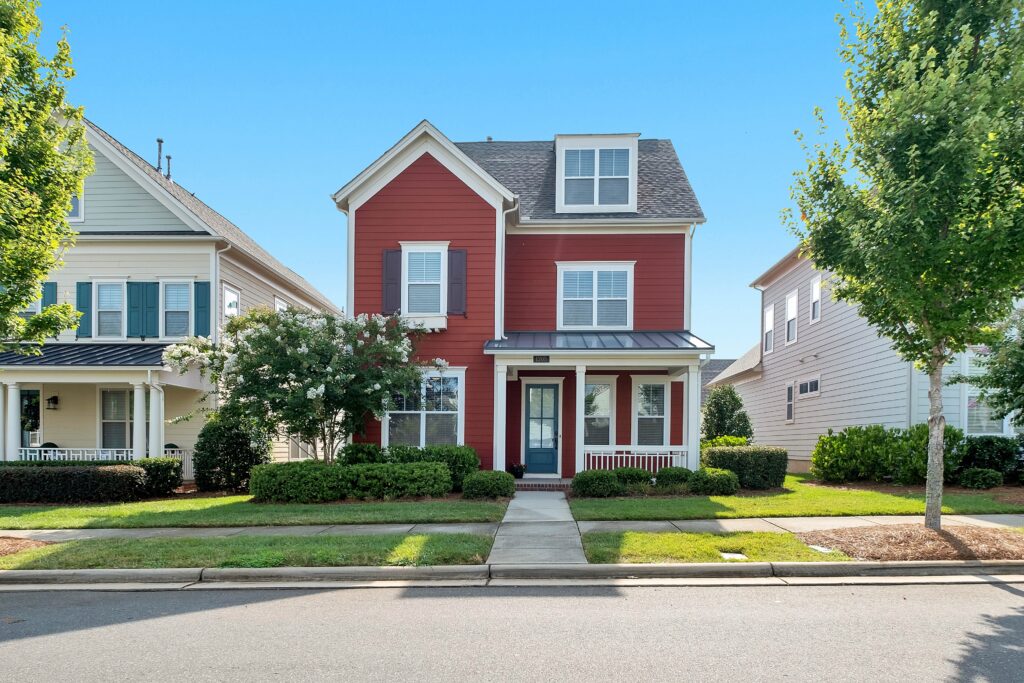
Housing: The Number That Drives Everything Else
Housing is where Denver earns its reputation as an expensive city. Everything else, from groceries to gas, sits much closer to the national average. So if you understand the housing math, you understand most of your cost-of-living picture.
As of 2026, the median home price in the city of Denver sits in the high $500,000s to low $600,000s depending on which data source and home types you include. That is roughly 90 percent above the national median home value. Rents tell a similar story: a one-bedroom apartment in Denver runs somewhere in the range of $1,700 to $1,900 per month, with two-bedroom units closer to $2,200. Interestingly, rents actually softened slightly over the past year as a large wave of new apartment construction came online, which has given renters a little more breathing room than buyers.
| Housing Snapshot (2026) | Denver | vs. National |
|---|---|---|
| Median home price | ~$590K–$625K | ~90% higher |
| Median 1-bedroom rent | ~$1,700–$1,900 | ~30–35% higher |
| Median 2-bedroom rent | ~$2,200 | Higher |
| Estimated 20% down on median home | ~$118K–$125K | — |
The buy-versus-rent gap is real right now. At current mortgage rates, the monthly payment on a median-priced Denver home with twenty percent down lands meaningfully above the median rent before you even add property taxes and insurance. That does not mean renting is the better long-term move for everyone, but it does mean the decision deserves actual math rather than a rule of thumb. I wrote a separate breakdown on exactly that question in renting versus buying in Denver.
Local tip: If the city-of-Denver price tag feels steep, the metro is where most relocating buyers find their value. Suburbs like Lakewood and Aurora often deliver more home for the money while keeping a reasonable commute, and they each have a very different feel worth exploring before you decide.
Taxes: Where Colorado Quietly Wins
Here is the part that surprises people coming from higher-tax states. Colorado is relatively tax-friendly, and for many relocating households the tax picture offsets a real chunk of the higher housing cost.
Colorado charges a flat 4.4 percent state income tax. Flat means everyone pays the same rate regardless of income, which is simpler than the bracket systems in many states and notably lower than the top rates in places like California. Property taxes are genuinely low here, with an effective rate around 0.48 to 0.49 percent of home value, which is among the lower rates in the country. Where Colorado claws some of that back is sales tax: the state rate is only 2.9 percent, but local add-ons push the combined rate in Denver to roughly 8.8 percent.
| Tax Type | Colorado / Denver | Notes |
|---|---|---|
| State income tax | 4.4% flat | Same rate at every income level |
| Effective property tax | ~0.48% | Among the lowest nationally |
| Combined sales tax (Denver) | ~8.8% | 2.9% state plus local |
The low property tax rate matters a great deal when you are buying. On a $600,000 home, a 0.48 percent effective rate keeps your annual property tax meaningfully lower than it would be on the same-priced home in a high-property-tax state. For buyers coming from places where property taxes run well over one percent, this single line item can change the whole affordability calculation.
Everyday Costs: Closer to Normal Than You Think
Outside of housing, Denver is not nearly as expensive as its reputation suggests. Utilities tend to run slightly below the national average. Groceries are roughly in line with national norms. Healthcare runs a bit above average. Transportation is where you will feel a modest premium, with regional transit passes around $114 per month and fuel prices that tend to sit a little above the national figure.
The takeaway is that your monthly budget outside of rent or mortgage will feel fairly normal. It is the housing line that does the heavy lifting in Denver’s cost-of-living index, not a thousand small premiums spread across your life.
So What Do You Actually Need to Earn?
This is the question behind the question, and it is worth answering directly. Denver’s median household income sits somewhere in the mid-$80,000s to low-$90,000s depending on the source, which is well above the national median. That higher local income is a big part of why a pricey housing market remains livable for so many people.
Using the standard guideline that housing should take no more than thirty percent of gross income, here is a rough sense of what different income levels support in Denver.
| Household Income | Comfortable Housing Budget (30%) | Realistic Fit |
|---|---|---|
| $70,000 | ~$1,750/mo | Studio or 1BR rental; buying is a stretch |
| $100,000 | ~$2,500/mo | Comfortable rental; entry-level buying in the metro |
| $150,000 | ~$3,750/mo | Buying a median-priced home becomes realistic |
A common rule of thumb you will hear locally is that it takes around $100,000 of household income to live comfortably in Denver, especially with a family or while trying to save. That is a fair benchmark, though where you choose to live changes it significantly. The same income goes much further in a value-oriented suburb than in a premium close-in neighborhood.
On cost-of-living adjustments: If you are relocating for a job, it is reasonable to ask whether your offer includes a cost-of-living adjustment. Many employers moving people into Denver do account for the housing premium, but not all, and the size of the adjustment varies widely. Run your own numbers before assuming the offer covers the difference.

The Honest Bottom Line
Denver is more expensive than the national average, and housing is the reason. But the higher local incomes, low property taxes, and modest flat income tax mean the real picture is more balanced than the scary index number suggests. For a lot of people relocating here, the math works, particularly once they look beyond the city core to the broader metro where the value lives.
The figures in this guide are current as of 2026 and meant to give you a realistic frame. When you are ready to translate them into a specific plan, what you can afford, which neighborhoods fit your budget, and whether buying or renting makes more sense for your timeline, that is where a local conversation beats any calculator.
Planning a Move to Denver?
I help relocating buyers turn cost-of-living questions into a real plan, matched to your budget and the neighborhoods that actually fit your life.
Figures cited are approximate and current as of 2026, compiled from public cost-of-living, housing, and tax data sources. Market conditions change. Contact DC Turner for current figures specific to your situation. Not tax or financial advice.